Why Food Waste and Food Insecurity Are Connected
By: Candice Lawton
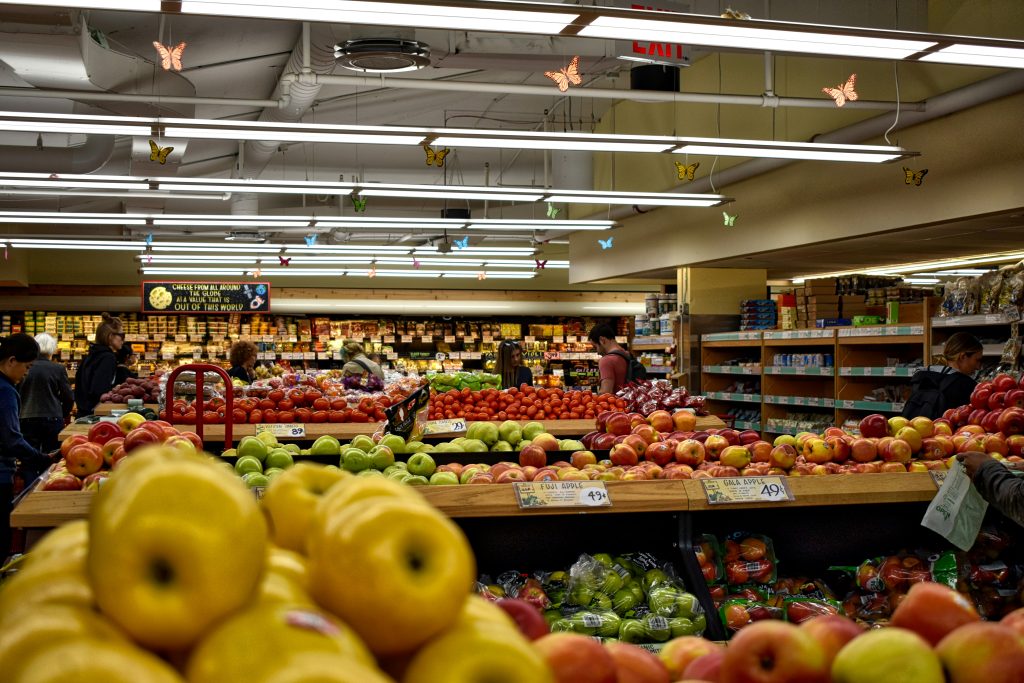
The solution to hunger is already sitting in our dumpsters.
In a nation where 1 in 8 households faces food insecurity, we’re confronting an important reality: we produce more than enough food to feed everyone. Yet a third of all food produced goes to waste while millions of Americans face uncertainty about their next meal.
As conversations around nutrition assistance and food access continue nationwide, and food banks work to meet growing demand, some might wonder whether focusing on food waste is the right priority. But when we look closer, food waste and food insecurity are deeply interconnected challenges.
Our current food system discards nutritious food that doesn’t meet cosmetic standards. We overproduce and under-utilize resources while communities experience food insecurity, not because adequate food doesn’t exist, but because of how we’ve structured our systems around efficiency and aesthetics rather than access and nourishment.
Food insecurity persists for millions not due to scarcity, but due to system design. How we define food quality. How we structure supply chains. How we prioritize competing values in our food systems.
Addressing food waste is also addressing food insecurity.
When we redesign systems to recover and redistribute that one-third of food currently going to waste, and work to relocalize food systems, we’re creating practical solutions. We’re connecting available resources with community needs. When we expand standards to include nutritious “imperfect” produce, we’re creating abundance where gaps previously existed.
The path forward involves multiple approaches working together: supporting nutrition assistance programs that provide critical access, while also transforming the system-level challenges that create food insecurity in the first place.
A world with enough food for everyone, where significant amounts go unused, presents an opportunity to rethink how our systems work.
Read more about Circular Philadelphia’s work to transform our waste and resource systems for all in the food sector here.
Leave a Reply